What was once dismissed as casual “timepass” has quietly become one of India’s strongest digital habits. Today, gaming becomes social currency for millions of young Indians, as free-to-play mobile games shape how people connect, socialise, and express their identity.
With affordable smartphones, ultra-cheap mobile data, and the rise of vernacular digital content, gaming has shifted from a private pastime to a public, shared culture. Multiplayer rooms, leaderboards, and real-time chat have turned mobile games into virtual hangout spaces where friendships are formed, rivalries are built, and social status is negotiated — both online and offline.
From Jugaad Timepass to a Daily Digital Habit
Unlike Western markets that grew through expensive consoles and gaming PCs, India’s gaming story is entirely mobile-first. For millions of Indians, a smartphone and a prepaid data pack were all it took to become a gamer.
What began as quick entertainment during bus rides, office breaks, and late-night scrolling has now evolved into immersive social experiences. Titles across genres — from battle royales to casual board games — allow players to spend hours together, talking, competing, and collaborating.
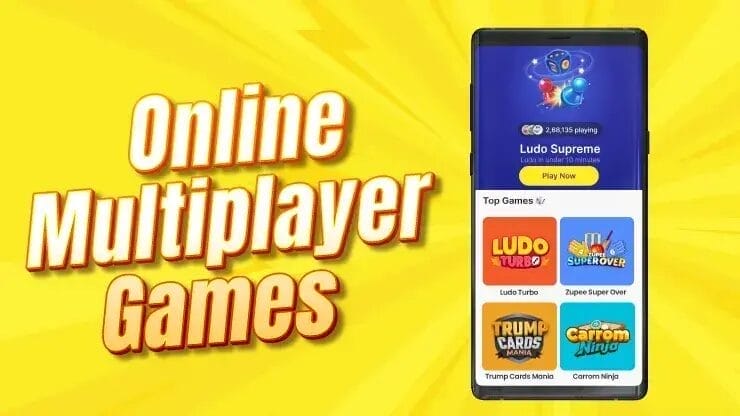
The COVID-19 lockdowns accelerated this shift dramatically. Games such as Ludo King, Zupee Ludo Supreme, Carrom Ninja, and Building Blocks became virtual family rooms, connecting grandparents, parents, and children through shared screens. What started as a lockdown escape soon became a long-term habit, cementing gaming as a mainstream form of entertainment across age groups.
India’s Free-to-Play Boom
India is now the largest mobile gaming market in the world by downloads, with roughly 8.45 billion installs recorded in FY 2024-25. The country is home to an estimated 550–600 million casual gamers, over 90% of whom play on mobile devices.
This explosive growth is driven by three major factors:
Some of the lowest mobile data prices globally
A flood of budget Android smartphones
A steady pipeline of free-to-play titles across every genre
Together, these have removed the traditional barriers of cost and hardware, allowing gaming to become a truly mass-market digital activity.
When Gaming Becomes Social Currency
In a country where meeting friends often means dealing with traffic, distance, and spending, free-to-play games offer something powerful — a zero-cost digital hangout.
Multiplayer titles such as BGMI, Free Fire, Ludo King, Zupee Ludo Supreme, and popular card games like Teen Patti have become social spaces where people meet, talk, joke, and compete. For many young Indians, opening a game is now the fastest way to “meet” friends after work or college.
The success of Indianised games is especially telling. Digital versions of Ludo, Carrom, and Teen Patti resonate deeply because they blend nostalgia with modern multiplayer features. Platforms like Zupee, which ranks among the top free board and casual games on both Google Play and the Apple App Store, show how traditional Indian games have found new life on small screens — connecting players across states, languages, and generations.
From Free to Valuable: India’s Growing Gaming Economy
While free-to-play remains the dominant entry point, India’s gaming economy is steadily maturing. Digital gaming revenues are growing at double-digit rates, and the overall market is expected to more than double to around $4.3 billion by FY 2030.
Interestingly, the industry shows a split:
Battle royale and competitive multiplayer games generate a large share of revenue
Puzzle, simulation, and casual games dominate download numbers
This reflects a growing willingness among Indian players to spend — not just on entertainment, but on experiences that offer social recognition, competition, and community.
Play Is Now a Daily Currency
In less than a decade, free-to-play mobile games in India have moved from background entertainment to a front-and-centre part of everyday life. They influence who people talk to, how they relax, and how they show up in digital spaces.
In a mobile-first nation where attention and connection are more valuable than ever, gaming is no longer just play — it has become a powerful social currency.