
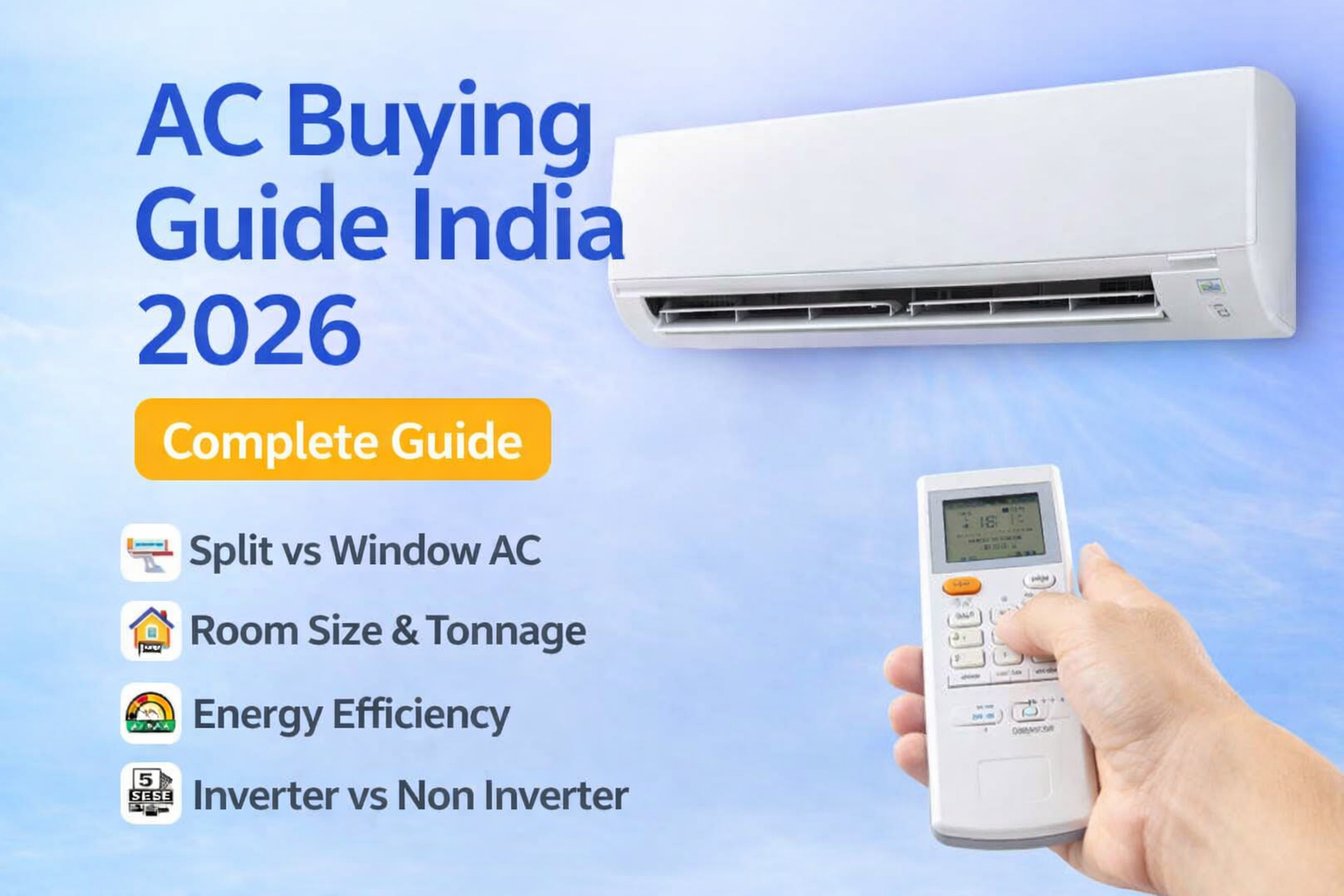
Complete Air Conditioner Buying Guide : How to Choose the Right AC
Buying an air conditioner today is not as simple as it used to be. Walk into any electronics store or browse online and you’ll see dozens of models with different technologies, cooling capacities, star ratings, and smart features.
For many buyers, the biggest challenge is understanding which AC is actually suitable for their room and usage. A wrong choice can lead to poor cooling performance, higher electricity bills, and unnecessary expenses.
In this air conditioner buying guide 2026, I’ll explain everything you should know before buying an AC in India—from choosing the right tonnage and inverter technology to understanding refrigerant gas and modern smart features.
Whether you’re buying your first air conditioner or upgrading an old one, this guide will help you make a better decision.
Table of Contents
Also Read : 7 Common AC Buying Mistakes to Avoid This Summer (2026 Guide)- By Bajaj Finserv
Types of Air Conditioners For Home
Before choosing an AC, the first step is understanding the different types available in the market.
Split Air Conditioner
Split ACs are the most popular option in modern homes. They consist of two units:
- Indoor unit – installed inside the room
- Outdoor compressor unit – installed outside the house
Advantages:
- Quieter operation
- Better cooling distribution
- Modern design
- Advanced features like WiFi and smart control
Most new homes today prefer split ACs because they are efficient and aesthetically better.
Window Air Conditioner
Window ACs are a traditional type where the entire unit is installed in a window or wall opening.
Advantages:
- Lower cost
- Easy installation
- No separate outdoor unit
However, window ACs are usually:
- Noisier
- Less efficient
- Limited in features
They are suitable for small rooms or budget buyers.
Choosing the Right AC Capacity (Tonnage)
One of the most important factors when buying an AC is cooling capacity, commonly measured in tons.
If you choose a smaller AC for a large room, it will struggle to cool the space. On the other hand, an oversized AC can waste electricity.
Room Size vs AC Capacity
| Room Size | Recommended AC Capacity |
|---|---|
| Up to 120 sq ft | 1 Ton |
| 120 – 180 sq ft | 1.5 Ton |
| 180 – 250 sq ft | 2 Ton |
However, if the room:
- Receives direct sunlight
- Has large windows
- Is located on the top floor
Then choosing slightly higher capacity is usually better.
Inverter vs. Non-Inverter AC: Which One Should You Buy?
Modern air conditioners mainly use inverter technology, which helps improve energy efficiency.
The most common question today is whether to go with an Inverter or Non-Inverter (Fixed Speed) AC. While both look identical on the outside, the way they handle their “engine”—the compressor—is completely different.
Inverter AC: The Intelligent Runner
Think of an Inverter AC like a car with an accelerator. Once the room reaches the desired temperature, the compressor doesn’t turn off; it simply slows down to maintain that coolness.
- Stable Cooling: It avoids the “sudden chill” and “sudden heat” cycles, keeping the temperature within $\pm 0.5$°C of your setting.
- Lower Electricity Bills: Since it doesn’t restart frequently (which consumes the most power), it can save up to 30-40% on energy compared to fixed-speed models.
- Quiet Operation: Because the compressor isn’t constantly running at 100% speed, the indoor and outdoor units are significantly quieter.
- Longer Life: Less “wear and tear” on the motor from constant on/off switching usually leads to a longer lifespan.
Non-Inverter AC: The Simple Switch
A non-inverter AC works on a basic ON/OFF cycle. It runs at full blast until the room is cold, then shuts off completely. When the room warms up again, it kicks back on at full power.
- The “Temperature Swing”: You will often feel a noticeable difference in temperature as the unit cycles on and off.
- Higher Power Consumption: The heavy “startup current” required every time the compressor restarts leads to higher electricity bills.
- Affordability: These units are generally cheaper to buy upfront, but the long-term running costs are higher.
The 2026 Verdict
While Non-Inverter ACs are still available for budget-conscious buyers or rooms with very low usage (like a guest room), Inverter ACs are now the industry standard. With the rising costs of electricity and the improvement in inverter reliability, the extra upfront cost usually pays for itself in energy savings within 2 to 3 seasons.
Understanding BEE Star Ratings
In India, air conditioners come with energy efficiency ratings provided by the Bureau of Energy Efficiency (BEE).
Star ratings range from 1 star to 5 stars.
- 5 Star AC – Highest efficiency, lowest electricity consumption
- 3 Star AC – Moderate electricity usage
- 1 Star AC – Least efficient
Although 5-star ACs are more expensive initially, they can save a significant amount on electricity bills over time.
For example:
A 1.5 ton 5-star inverter AC running 8 hours daily may consume around 180–220 units of electricity per month, depending on usage conditions.
Refrigerant Gas: Why R32 is Preferred
Modern air conditioners use refrigerant gas for cooling.
Older ACs used gases like R22, which were harmful to the environment.
Today, most brands use R32 refrigerant gas because it offers several advantages:
- Better cooling efficiency
- Lower environmental impact
- Higher energy efficiency
- Reduced global warming potential
When buying a new AC, it is recommended to choose models that use R32 refrigerant.
Copper vs Aluminium Condenser
The condenser coil plays a crucial role in heat exchange and cooling efficiency.
Two types of condensers are commonly used:
| Condenser Type | Features |
|---|---|
| Copper | Durable, better heat transfer, easier repair |
| Aluminium | Cheaper but less durable |
Most experts recommend copper condensers because they:
- Last longer
- Provide better cooling performance
- Are easier to maintain
Air Filters and Smart Features
Modern air conditioners offer several features that improve comfort and indoor air quality.
Air Purification Filters
Some AC models include:
- Dust filters
- PM2.5 filters
- Anti-bacterial filters
These filters help remove pollutants and improve air quality, which can be useful in cities with high pollution levels.
Smart Features
Many modern ACs also include smart capabilities such as:
- WiFi connectivity
- Mobile app control
- Voice assistant support
- Smart home integration
These features allow users to control the AC remotely using their smartphone.
Cooling Capacity vs Actual Performance
Choosing the right cooling capacity is the most critical step in your AC purchase. If the capacity is too low, the compressor will run non-stop, leading to high electricity bills and poor cooling. If it’s too high, the AC will “short-cycle,” cooling the room so fast that it fails to dehumidify the air, leaving your room feeling cold but “clammy.”
Understanding Tons vs. Watts
In 2026, you will see cooling capacity listed in both Tons and Watts (W). While we colloquially use “Tons,” the technical “Rated Cooling Capacity” in Watts is a more precise measure of how much heat the unit can remove per hour.
- 1 Ton \approx 3,500 Watts
- 1.5 Ton \approx 5,000 to 5,200 Watts
- 2.0 Ton \approx 6,000+ Watts
The Quick Capacity Chart
For a standard room with a 10-foot ceiling height, use this table as your starting point:
| Room Size (sq. ft.) | Recommended Capacity (Tons) | Cooling Capacity (Watts) |
| Up to 100 | 0.8 to 1.0 Ton | 2,800W – 3,500W |
| 100 – 150 | 1.2 to 1.5 Ton | 4,200W – 5,200W |
| 150 – 250 | 2.0 Ton | 6,000W – 7,000W |
The “Lucknow Heat” Factor (Adjusting for Reality)
Standard charts assume ideal conditions, but real-world factors in hot climates often require a “capacity buffer.” You should upsize by 0.5 Ton if:
- Top Floor: Your room is directly under the terrace/roof (huge heat gain).
- Sunlight: You have large west-facing or south-facing windows.
- Occupancy: The room regularly hosts more than 3-4 people.
- Appliances: The room contains heat-generating electronics like gaming PCs or kitchen appliances.
Buying Tip: If your room is exactly 150 sq. ft. and on the top floor, don’t settle for a 1.5 Ton unit. Opt for a High-Capacity 1.5 Ton (approx. 5,400W) or a 2.0 Ton model to ensure comfort during peak 45°C+ summer days.
Installation & Maintenance: Protecting Your Investment
Buying a high-rated AC is only half the battle; the quality of the installation determines whether that unit lasts 3 years or 10 years. In 2026, modern refrigerants are highly sensitive to moisture, making the technical setup more critical than ever.
The Non-Negotiable: Vacuuming the Pipes
The most overlooked step in Indian AC installations is vacuuming the copper pipes.
- Why it’s necessary: Air and moisture trapped inside the refrigerant pipes act as “contaminants.” If not removed using a professional vacuum pump, they can cause the compressor to overheat, lead to internal corrosion, and significantly drop cooling efficiency.
- The Golden Rule: Always insist that the technician uses a vacuum pump for at least 15–20 minutes before releasing the gas. Simply “purging” the lines with a bit of refrigerant is not a substitute and can void your warranty.
Professional Installation Checklist
- Authorized Technicians: Always use brand-authorized or certified professionals to ensure your warranty remains valid and the flare joints are leak-proof.
- Outdoor Unit Placement: Ensure the outdoor unit (ODU) has at least 12 inches of clear space behind it and 3 feet in front. Without proper ventilation, the unit cannot dissipate heat, leading to frequent “tripping.”
- Sturdy Mounting: Ensure the wall bracket is level and vibration-free to prevent annoying humming noises inside your room.
Post-Purchase Maintenance
Check for Obstructions: Ensure no curtains or furniture are blocking the “Air Throw” of the indoor unit, as this forces the AC to work harder than necessary.
Clean Filters Bi-Weekly: In dusty environments like Lucknow, AC filters can clog in just 15 days. Cleaning them yourself is the easiest way to keep your electricity bills low.
Annual Professional Servicing: Schedule at least two professional services a year—one before the summer peak and one after the monsoon. This ensures the cooling coils are clean and the gas pressure is optimal.
Also Read: Summer 2026 AC Buying Guide: Best Deals on Voltas, Daikin & LG with Bajaj Finserv Easy EMIs
Online vs Offline AC Purchase: My Personal Experience
Many people wonder whether it is better to buy an AC from a local electronics store or an online platform like Flipkart or Amazon.
I personally experienced an interesting situation when I purchased an AC online in 2022.
After the delivery, I did not open the box immediately because installation is usually done by the brand’s technician.
When the authorized installer arrived and opened the package, he noticed that the copper connecting pipes were missing from the box.
The technician documented the issue by:
- Taking photos of the AC
- Writing on the installation form that pipes were missing
- Sharing a photograph of the signed installation report with me
I then contacted Flipkart customer support and shared the installer’s report through email.
Within a day, the platform offered two options:
- ₹2500 compensation for purchasing pipes locally
- Full AC replacement
I chose the replacement option, and within about 7 days, the AC was replaced with a new unit that included all accessories.
From my experience as an electronics retailer, resolving such issues through offline purchases can sometimes be more complicated and may take longer.
However, both online and offline purchases have their advantages, and buyers should choose whichever option they trust more.
My Recommendations When Buying an AC Online
If you decide to purchase an AC online, keep these points in mind:
1. Do Not Open the Box Yourself
Always wait for the brand’s authorized installation technician to open the box.
2. Record the Unboxing
If possible, record a short video during installation to avoid disputes about missing accessories.
3. Check Accessories Immediately
Confirm that all accessories are included, such as:
- Copper pipes
- Remote control
- Installation kit
- User manual
4. Report Issues Immediately
If anything is missing or damaged, report it to the platform within 24 hours of installation.
5. Prefer Brands with Strong Service Networks
Choose brands that provide reliable installation and after-sales support in your city.
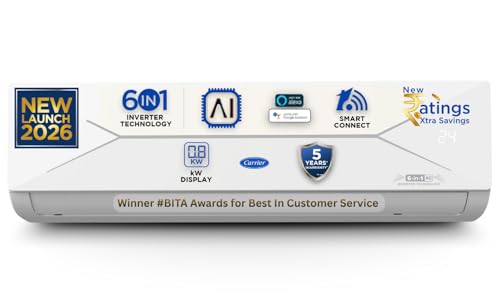
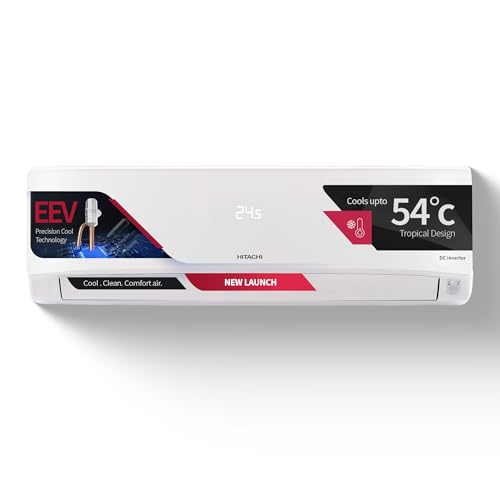
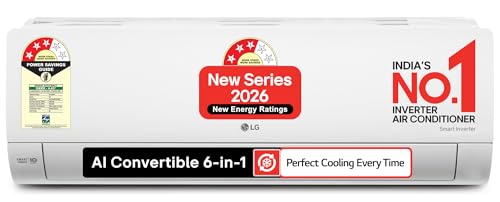
Recommended AC Models in India From Amazon (1.5 Ton 3 Star)
Common Mistakes People Make When Buying an AC
Many buyers make mistakes that lead to poor cooling or high electricity bills.
Some common mistakes include:
- Choosing the wrong tonnage for the room
- Ignoring star rating and energy efficiency
- Buying cheaper aluminium condenser models
- Not considering inverter technology
- Ignoring installation requirements
Taking a little time to research before buying can help avoid these problems.
Frequently Asked Questions (FAQs)
Which AC is best for Indian homes?
Split inverter ACs with 3-star or 5-star rating are generally the best choice for most homes.
Is inverter AC worth buying?
Yes. Inverter ACs consume less electricity and provide stable cooling compared to non-inverter models.
What size AC is required for a 150 sq ft room?
A 1.5 ton AC is usually ideal for a room of that size.
Which condenser is better: copper or aluminium?
Copper condensers are generally preferred because they are more durable and efficient.
Final Thoughts
Buying an air conditioner is a long-term investment. Instead of choosing only based on price, it is important to consider factors such as:
- Room size
- Energy efficiency
- Refrigerant type
- Condenser material
- Smart features
By selecting the right AC based on your needs, you can enjoy better cooling, lower electricity bills, and long-term reliability.
Affiliate Disclaimer
This article contains affiliate links. If you purchase a product through these links, I may earn a small commission at no extra cost to you. This helps me continue sharing honest reviews, comparisons, and guides based on my real retail experience. I only recommend products from reliable brands that I believe will offer value and long-term satisfaction to customers

Ayush Singhal is the founder and chief editor of TechMitra.in — a tech hub dedicated to simplifying gadgets, AI tools, and smart innovations for everyday users. With over 15 years of business experience, a Bachelor of Computer Applications (BCA) degree, and 5 years of hands-on experience running an electronics retail shop, Ayush brings real-world gadget knowledge and a genuine passion for emerging technology.
At TechMitra, he covers everything from AI breakthroughs and gadget reviews to app guides, mobile tips, and digital how-tos. His goal is simple — to make tech easy, useful, and enjoyable for everyone. When he’s not testing the latest devices or exploring AI trends, Ayush spends his time crafting tutorials that help readers make smarter digital choices.
📍 Based in Lucknow, India
💡 Focus Areas: Tech News • AI Tools • Gadgets • Digital How-Tos
📧 Email: contact@techmitra.in
🔗 Full Bio: https://techmitra.in/about-us/